
Introduction: Why a Home Bowling Alley Is the New Luxury Essential
A home bowling alley is no longer reserved for celebrities or luxury mansions. Instead, it has become a growing trend among homeowners who value personalized entertainment and memorable experiences. As homes increasingly evolve into multi-purpose spaces, the demand for premium recreational features continues to rise. Consequently, installing a bowling alley now represents both luxury and lifestyle enhancement.
Moreover, a home bowling alley delivers more than entertainment. It creates a social hub, encourages family bonding, and adds significant value to your property. Whether you enjoy casual games with children or competitive nights with friends, this feature transforms your home into a private entertainment destination.
In this comprehensive guide, you will explore everything you need to know about planning, designing, and building a home bowling alley—from space requirements and costs to technology, aesthetics, and maintenance.
What Is a Home Bowling Alley?
A home bowling alley is a private bowling lane installed inside a residential property. Unlike commercial bowling centers, home bowling alleys are customized to fit available space, personal style, and usage preferences. Typically, these installations include one or two lanes, automated pinsetters, scoring systems, and specialized flooring.
Additionally, modern designs allow for compact configurations, making it possible to install bowling lanes in basements, garages, or dedicated entertainment rooms. Therefore, homeowners can now enjoy professional-level bowling without leaving the comfort of home.
Benefits of Installing a Home Bowling Alley
1. Entertainment Without Limits
First and foremost, a bowling alley provides unlimited entertainment. Instead of planning outings or waiting for lane availability, you can enjoy bowling anytime. As a result, spontaneous fun becomes part of daily life.
2. Increased Property Value
Notably, luxury entertainment features often boost property value. While a home bowling alley may not appeal to every buyer, it certainly attracts high-end buyers seeking unique amenities.
3. Family Bonding and Wellness
Bowling encourages movement, coordination, and friendly competition. Consequently, it supports both physical activity and emotional bonding, especially for families with children.
4. Customizable Experience
Unlike commercial lanes, a home bowling alley adapts entirely to your preferences. From lighting to sound systems, every detail reflects your personality and lifestyle.
Space Requirements for a Home Bowling Alley
Standard Dimensions
A regulation bowling lane measures approximately 60 feet from foul line to head pin. However, with approach and equipment space included, a traditional lane typically requires 90 to 100 feet in length.
Compact and Shortened Options
Fortunately, modern systems allow shorter lanes, ranging from 35 to 45 feet. While these do not replicate professional play perfectly, they still offer an authentic and enjoyable experience.
Ceiling Height Considerations
Ideally, ceiling height should be at least 10 feet. Higher ceilings enhance comfort and allow for better lighting and ventilation.
Best Locations Inside a Home
Basement Bowling Alleys
Basements are the most popular location for a home bowling alley. Since they offer isolation from living areas, they naturally minimize noise concerns.
Garage Conversions
Garages provide long, rectangular layouts, making them suitable for bowling lanes. With proper insulation, garages transform into impressive entertainment zones.
Dedicated Entertainment Rooms
Luxury homes often feature purpose-built recreation rooms. In such cases, a home bowling alley integrates seamlessly with bars, lounges, or home theaters.
Home Bowling Alley Design Styles
Classic Retro Design
Retro bowling alley designs feature warm wood tones, vintage signage, and traditional scoring displays. As a result, they create nostalgic charm.
Modern Minimalist Design
Conversely, minimalist designs focus on clean lines, LED lighting, and neutral colors. These styles complement contemporary homes beautifully.
Luxury Lounge Style
High-end designs combine bowling lanes with plush seating, ambient lighting, and custom bars. Therefore, the bowling alley doubles as a social lounge.
Bowling Lane Materials and Construction
Lane Surface Options
Traditionally, bowling lanes use hard maple and pine wood. However, synthetic materials have become increasingly popular due to durability and low maintenance.
Pin Deck and Back-End Construction
The pin deck absorbs heavy impact, so it requires reinforced materials. Meanwhile, the back-end must withstand continuous ball roll without warping.
Gutters and Ball Returns
Well-designed gutters and smooth ball return systems enhance gameplay and safety. Consequently, professional installation is essential.
Bowling Equipment for Home Use
Bowling Pins
Home bowling alleys typically use regulation pins. However, lightweight options are also available for children and casual play.
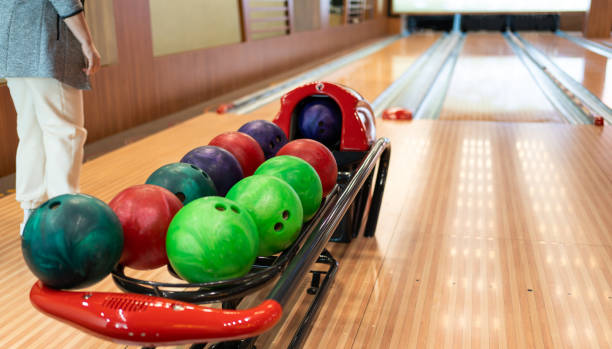
Bowling Balls
Home setups often include multiple ball weights. This approach ensures comfort and accessibility for all players.
Automatic Pinsetters
Automatic pinsetters are crucial for convenience. While they increase initial costs, they dramatically improve the overall experience.
Scoring Systems and Technology
Digital Scoring Displays
Modern scoring systems feature touchscreens and animated graphics. Therefore, they keep gameplay engaging and user-friendly.
Smart Integration
Many home bowling alley systems integrate with smartphones, sound systems, and smart lighting. As a result, you can customize every game session.
Multiplayer and Training Modes
Advanced systems offer training modes, challenges, and multiplayer tracking. Consequently, players of all skill levels stay motivated.
Lighting Design for a Home Bowling Alley
Functional Lighting
Proper lane lighting ensures visibility and accuracy. Therefore, focused overhead lights are essential.
Ambient and Accent Lighting
LED strips, wall sconces, and under-seat lighting enhance atmosphere. Moreover, they allow mood customization for events.
Glow and Cosmic Bowling Effects
For added fun, many homeowners choose black lights and neon accents. As a result, cosmic bowling nights become a favorite attraction.
Soundproofing and Acoustics
Bowling generates noise from rolling balls and falling pins. Therefore, soundproofing is essential.
Acoustic Panels
Wall-mounted acoustic panels absorb sound and reduce echo. Consequently, gameplay feels more immersive and less disruptive.
Insulated Walls and Ceilings
Insulation minimizes vibration transfer to other parts of the house. As a result, household comfort remains intact.
Seating and Spectator Areas
Built-In Benches
Classic bowling benches offer authenticity and practicality.
Lounge Seating
Sofas, recliners, and bar stools elevate comfort and social interaction. Therefore, spectators enjoy the experience as much as players.
Adding a Bar or Snack Area
A home bowling alley feels incomplete without refreshments.
Mini Bars
Mini bars offer convenience and luxury. Additionally, they enhance entertainment value.
Snack Counters
Simple snack stations ensure uninterrupted fun, especially during family gatherings.
Safety Considerations
Non-Slip Flooring
Approach areas must feature non-slip surfaces. Consequently, the risk of injury decreases significantly.
Ball Storage Safety
Secure racks prevent accidental rolling. Therefore, organization remains both functional and safe.
Cost of Installing a Home Bowling Alley
Entry-Level Installations
Compact systems may start around $75,000. While simplified, they still deliver an authentic experience.
Mid-Range Options
Mid-range home bowling alleys typically cost $120,000 to $180,000. These include automated pinsetters and digital scoring.
Luxury Installations
High-end installations can exceed $250,000, especially with custom designs, premium materials, and smart integrations.
Maintenance and Upkeep
Routine Cleaning
Regular cleaning preserves lane performance. Therefore, maintenance schedules are essential.
Equipment Servicing
Pinsetters and scoring systems require periodic inspection. Consequently, professional servicing ensures longevity.
Is a Home Bowling Alley Worth It?
The value of a home bowling alley depends on lifestyle and usage. However, for families who enjoy entertainment at home, the investment often pays off in experiences rather than numbers.
Moreover, the exclusivity and convenience of a private bowling lane elevate everyday living.
Future Trends in Home Bowling Alley Design
Compact Modular Systems
Space-efficient designs continue to evolve, making bowling accessible to more homes.
AI-Powered Training
Future systems may include AI coaching and performance tracking.
Sustainable Materials
Eco-friendly materials and energy-efficient lighting are becoming industry standards.
Frequently Asked Questions (FAQs)
1. How much space do I need for a home bowling alley?
You typically need 35 to 100 feet depending on lane type. Compact options suit smaller homes.
2. Can I install a home bowling alley in an existing house?
Yes. Basements, garages, and entertainment rooms are common choices.
3. How long does installation take?
Installation usually takes 8 to 12 weeks, depending on complexity.
4. Are home bowling alleys noisy?
With proper soundproofing, noise remains manageable and localized.
5. Do home bowling alleys require professional maintenance?
Yes. Regular professional servicing ensures safety and performance.
6. Does a home bowling alley increase property value?
While niche, it adds appeal for luxury buyers and entertainment-focused homeowners.
Final Thoughts
A home bowling alley represents the perfect blend of luxury, fun, and personalization. When thoughtfully designed, it transforms a house into an unforgettable entertainment destination. Whether you prefer casual family games or hosting upscale gatherings, this feature delivers lasting joy and distinction.
If you’re ready to redefine home entertainment, a home bowling alley might just be the ultimate upgrade.
