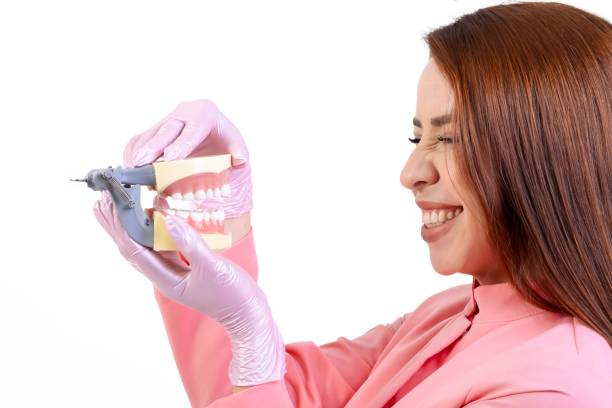
Introduction: Understanding the Search for the Best Permanent Tooth Filling at Home
Many people search for the best permanent tooth filling at home because dental pain rarely waits for a perfect appointment. Moreover, high treatment costs, limited access to dentists, and sudden tooth damage push people to look for immediate solutions. As a result, at-home dental repair has become a widely discussed topic.
However, while modern dentistry offers permanent solutions, true permanent tooth fillings cannot be safely placed at home. Still, that does not mean at-home care has no value. Instead, temporary and semi-durable options can protect a tooth, relieve pain, and prevent further damage until professional care becomes available.
Therefore, this article explains what people really mean when they search for the best permanent tooth filling at home, what options are genuinely safe, and how to protect your tooth responsibly.
What Is a Tooth Filling and Why It Matters
A tooth filling restores a tooth damaged by decay, fracture, or wear. Dentists remove damaged tissue and seal the space with specialized materials. Consequently, the filling prevents bacteria from re-entering the tooth.
Without a proper filling:
- Decay spreads deeper
- Infection risk increases
- Pain often worsens
- Tooth loss becomes more likely
Therefore, timely intervention always matters.
Can You Really Do a Permanent Tooth Filling at Home?
The Short Answer: No — Not Truly Permanent
Despite popular claims online, no dentist-approved method allows a fully permanent tooth filling at home. Permanent fillings require:
- Precise decay removal
- Sterilization
- Bonding agents
- Professional curing tools
- Occlusion adjustment
All of these steps require clinical training and equipment.
Why the Keyword Still Exists
People use the phrase best permanent tooth filling at home because they want:
- A long-lasting solution
- Pain relief
- Protection until a dentist visit
- Something stronger than basic temporary cement
Therefore, the focus should shift toward the safest long-lasting temporary solutions.
The Difference Between Temporary and Permanent Tooth Fillings
Permanent Fillings (Dentist-Placed)
- Composite resin
- Amalgam
- Ceramic
- Gold
These materials last years and integrate with tooth structure.
Temporary At-Home Fillings
- Dental repair kits
- Temporary cement
- Zinc oxide materials
While not permanent, they can last weeks or even months with proper care.
Best At-Home Dental Filling Materials (Dentist-Approved)
When discussing the best permanent tooth filling at home, it is essential to focus on safe, dentist-recognized temporary materials.
Temporary Dental Cement
Temporary dental cement ranks as the most common and safest option.
Why it helps:
- Seals exposed dentin
- Reduces sensitivity
- Slows bacterial growth
Limitations:
- Wears down over time
- Cannot replace lost tooth structure permanently
Zinc Oxide–Based Dental Fillings
Zinc oxide materials appear in many dental repair kits.
Benefits:
- Antibacterial properties
- Calming effect on irritated pulp
- Easy to apply
However, they remain temporary and require professional follow-up.
Glass Ionomer Temporary Fillers
Some advanced kits include glass ionomer materials.
Advantages:
- Releases fluoride
- Bonds moderately to tooth surface
- More durable than basic cement
Still, dentists use advanced versions of this material in clinical settings.
What Makes a Temporary Filling Last Longer at Home
While permanence is not achievable, durability improves when you:
- Avoid chewing on the repaired side
- Maintain excellent oral hygiene
- Avoid sticky or hard foods
- Keep the area dry during application
Consequently, these habits can extend protection until professional care is available.
What You Should NEVER Use as a Tooth Filling at Home
Many online sources promote unsafe alternatives. These options can cause severe damage.
Household Materials to Avoid
- Super glue
- Candle wax
- Chewing gum
- Cement or epoxy
- Nail acrylic
These substances:
- Trap bacteria
- Damage enamel
- Cause chemical burns
- Increase infection risk
Therefore, they should never be used.
Natural Remedies vs Actual Fillings
Some people confuse pain relief with structural repair.
What Natural Remedies Can Do
- Reduce inflammation
- Soothe discomfort
- Control bacteria temporarily
Examples include:
- Clove oil
- Saltwater rinses
- Cold compresses
What They Cannot Do
- Replace missing tooth structure
- Seal cavities
- Stop decay progression
Thus, natural remedies support comfort, not repair.
Signs You Need a Dentist Instead of At-Home Filling
While searching for the best permanent tooth filling at home, watch for warning signs that demand immediate care:
- Severe or throbbing pain
- Facial swelling
- Fever
- Pus or bad taste
- Tooth mobility
These symptoms indicate infection, not a simple cavity.
Risks of Relying Too Long on At-Home Fillings
Temporary solutions serve a purpose. However, delaying professional care increases risk.
Potential Complications
- Deep infection
- Root canal requirement
- Tooth fracture
- Tooth loss
Therefore, temporary fillings should never replace proper treatment.
How Dentists Create Truly Permanent Fillings
Understanding professional methods clarifies why home permanence is impossible.
Dentists:
- Remove decay precisely
- Shape cavities
- Use bonding agents
- Cure materials with special lights
- Adjust bite alignment
Each step requires training and specialized tools.
Cost Comparison: At-Home vs Professional Fillings
At-Home Kits
- Lower upfront cost
- Short-term protection
- No structural restoration
Professional Fillings
- Higher initial cost
- Long-term durability
- Restores function and strength
Over time, professional care often saves money by preventing complications.
Best Practices If You Must Use an At-Home Filling
If professional care is temporarily unavailable:
- Choose dentist-approved kits
- Follow instructions carefully
- Keep the area clean
- Schedule a dental visit as soon as possible
This approach balances safety and practicality.
Common Myths About Permanent Tooth Fillings at Home
Myth 1: Online Kits Offer Permanent Fixes
Reality: They provide temporary protection only.
Myth 2: Natural Materials Can Seal Cavities
Reality: They cannot restore tooth structure.
Myth 3: Pain Relief Means the Problem Is Fixed
Reality: Pain relief does not equal healing.
Future Innovations in At-Home Dental Care
Dental technology continues to evolve.
Possible future developments include:
- Smart dental materials
- Remote dentist supervision
- Improved temporary compounds
However, professional placement will remain essential for permanence.
Frequently Asked Questions (FAQs)
1. Is there a truly permanent tooth filling I can do at home?
No. Dentistry does not support permanent fillings without professional tools and training.
2. What is the best permanent tooth filling at home option available?
The safest option is dentist-approved temporary dental cement, used only as a short-term solution.
3. How long can a temporary filling last?
Depending on care, it may last weeks or months, but it is not permanent.
4. Are at-home filling kits safe?
Yes, if they are dentist-approved and used correctly.
5. Can I eat normally with a temporary filling?
Soft foods are best. Avoid hard, sticky, or chewy foods.
6. When should I see a dentist after using a temporary filling?
As soon as possible, even if pain subsides.
Final Thoughts
Searching for the best permanent tooth filling at home reflects a real need for relief and protection. However, permanent dental restoration requires professional expertise. While at-home solutions can offer temporary support, they should serve as a bridge—not a replacement—for proper dental care.
By understanding what is safe, what works temporarily, and when professional help becomes essential, you protect both your tooth and your long-term health.
Leave a Reply