

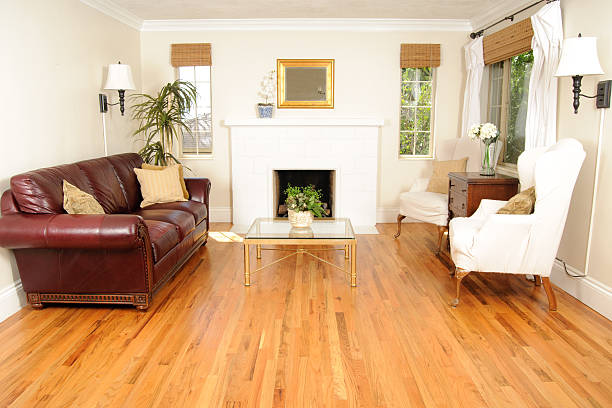
Hardwood flooring is often seen as the gold standard of home interior design. It’s warm, elegant, and adds significant value to any property. However, for many homeowners, the high cost of materials and installation can be a major hurdle. The good news? You don’t have to drain your savings to enjoy the luxury of wood under your feet.
By understanding the market and knowing where to look, finding inexpensive hardwood flooring that is both durable and stylish is entirely possible. In this guide, we will explore the best budget-friendly options, how to shop smart, and the trade-offs you should consider.
Why Choose Inexpensive Hardwood Flooring?
Many people assume that “inexpensive” means “low quality.” In the flooring industry, that isn’t always the case. Lower-priced hardwood usually comes from:
- Abundant Wood Species: Choosing woods like Oak or Hickory that are native and plentiful rather than exotic imports.
- Utility Grades: Selecting “Natural” or “Character” grades that show more knots and grain variations, providing a rustic charm.
- Engineered Options: Utilizing modern technology to create stable flooring with a real wood top layer at a fraction of the cost of solid planks.
Top 3 Budget-Friendly Wood Flooring Options
1. Engineered Hardwood (The Versatile Choice)
Engineered hardwood is often the top recommendation for those seeking inexpensive hardwood flooring. It consists of a thin layer of real hardwood bonded over high-quality plywood or fiberboard.
- Why it’s cheaper: It uses less expensive “filler” wood for the base.
- Best for: Basements or humid climates where solid wood might warp.
2. Oak Flooring (The Durable Classic)
Red Oak and White Oak are among the most common wood species in North America. Because the supply is high, the cost remains relatively low compared to Cherry or Walnut.
- Pro Tip: Look for “Red Oak” specifically, as it is generally the most affordable solid hardwood option available.
3. Bamboo Flooring (The Sustainable Alternative)
While technically a grass, bamboo is often categorized with hardwood due to its incredible hardness and wood-like appearance. It grows rapidly, making it an eco-friendly and cost-effective solution for modern homes.
Factors That Influence the Price
When searching for deals, keep an eye on these three variables:
- Plank Width: Narrower planks (2-3 inches) are typically cheaper than trendy wide planks.
- Finish: Pre-finished flooring (finished at the factory) can save you a lot of money on labor costs during installation.
- Thickness: A thinner “wear layer” on engineered wood will lower the price, though it limits how many times you can sand and refinish the floor in the future.
Smart Ways to Save on Installation Costs
Buying the material is only half the battle; installation costs can often break a budget. If you want to achieve inexpensive hardwood flooring without the high labor markup, consider these money-saving strategies:
1. The DIY Route (Do It Yourself)
If you are somewhat handy with basic tools, installing the floor yourself can save you thousands of dollars in professional fees.
- Floating Floors: Many engineered hardwood options come with a “click-lock” system. This makes installation as simple as putting together a puzzle, requiring no nails or messy glues.
- Tool Rentals: Instead of buying expensive miter saws or flooring nailers, rent them from a local hardware store for the weekend to keep costs down.
2. Pre-finished vs. Unfinished Wood
When searching for budget wood, homeowners often buy “unfinished” planks thinking they are cheaper. However, keep the total cost in mind:
- Unfinished Wood: While the initial price is lower, you must pay for sanding, staining, and sealing after installation. This adds significant labor and material expenses.
- Pre-finished Wood: These arrive from the factory already sealed and stained. They are ready for immediate use, which often makes them more inexpensive in the long run because they eliminate post-installation labor.
Where to Shop for Budget Hardwood Flooring
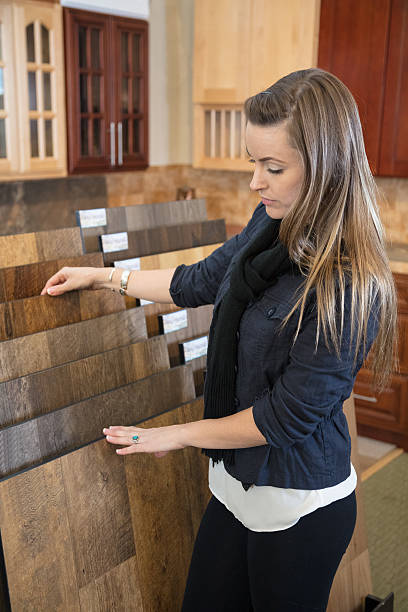
Shopping at the right location can result in a 30% difference in your final bill.
- Lumber Liquidators & Wholesale Outlets: These stores specialize in “overstock” or “end-of-line” products. You can often find premium wood species at clearance prices simply because the store is making room for new inventory.
- Big Box Stores (Home Depot/Lowe’s): Their “house brands” are manufactured in bulk, allowing them to offer hardwood at prices that smaller boutiques cannot match.
- Local Sawmills: If you live near a rural area, buying directly from a sawmill is the most cost-effective method. While the wood may require more preparation, the raw cost is unbeatable.
Avoiding the “Cheap” Trap: Essential Quality Checks
When hunting for inexpensive hardwood flooring, never compromise on these three factors to ensure your investment lasts:
- The Wear Layer: For engineered wood, ensure the top real-wood layer is at least 2mm to 3mm thick. This allows the floor to be sanded and refinished at least once in the future.
- Janka Hardness Rating: Check the hardness of the wood species. A cheaper wood that dents easily under a chair leg will cost you more in repairs later.
- Warranty: Low price should not mean “no protection.” Always look for a manufacturer’s warranty of at least 10–15 years for residential use.
Maintenance: How to Make Budget Floors Last a Lifetime
The secret to inexpensive hardwood flooring isn’t just in the purchase; it’s in the care. Because budget-friendly wood often has a thinner wear layer or softer grain, proper maintenance is the key to avoiding a costly replacement.

1. Control the Climate
Wood is a natural material that reacts to moisture. Budget hardwood—especially solid planks—can expand or contract, leading to gaps or “cupping.”
- The Fix: Keep your home’s humidity between 35% and 55%. Using a humidifier in winter and an AC in summer prevents the wood from warping.
2. The “No-Shoes” Policy
The biggest enemy of wood is grit and small stones trapped in shoe treads. These act like sandpaper on your floor’s finish.
- The Fix: Use rugs at every entrance and encourage a “shoes-off” rule. This simple habit can double the life of your floor’s top coat.
3. Proper Cleaning Agents
Never use steam mops or soaking wet rags on hardwood. Water can seep into the joints and cause the wood fibers to swell.
- The Fix: Use a microfiber mop and a pH-neutral cleaner specifically designed for hardwood. Avoid vinegar or wax-based cleaners, as they can dull the finish over time.
Design Secrets: Making Inexpensive Wood Look High-End
You don’t need the most expensive Walnut planks to have a stunning room. Professional interior designers use these tricks to elevate the look of inexpensive hardwood flooring:
1. Go for Long Planks
Often, “cabin grade” or “utility grade” wood comes in shorter pieces. If you can find a budget line with longer planks, use them. Longer lines create a sense of continuity and make a room feel larger and more expensive.
2. Use Strategic Lighting
High-end floors often have a subtle “satin” or “matte” glow. If your budget wood is a bit too shiny (which can look “plastic”), use warm, layered lighting—like floor lamps and wall sconces—to soften the reflection and highlight the natural wood grain.
3. Contrast with Large Area Rugs
A common trick to hide imperfections in lower-grade wood is the use of high-quality area rugs. By showing only the edges of the hardwood around a beautiful rug, you focus the eye on the wood’s color rather than the knots or grain variations in the center of the room.
4. Choose a Timeless Stain
If you are buying unfinished budget wood, stay away from “trendy” colors like grey or very dark espresso. Instead, choose a classic medium-brown or a natural clear coat. These shades are more forgiving with scratches and never go out of style.
