
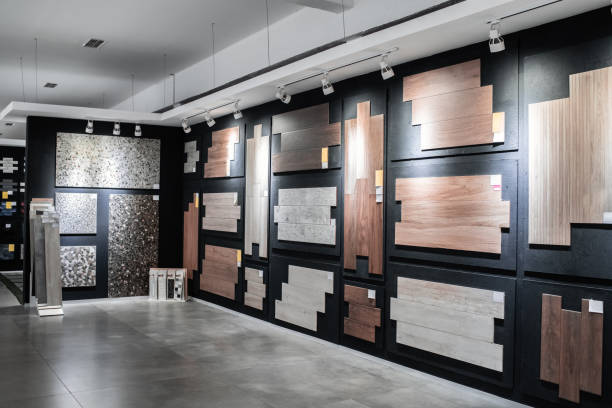
For decades, hardwood flooring has been the gold standard for home interiors. It offers a timeless aesthetic, incredible durability, and a significant boost to property value. However, the common misconception is that “real wood” always comes with a premium price tag. The truth is that finding cheap hardwood flooring is entirely possible if you know where to look, what materials to prioritize, and how to navigate the technical world of lumber grades.
The Value Proposition: Why Hardwood is Worth the Investment
Before we dive into the “cheap” aspect, it is essential to understand why hardwood remains superior to cheaper alternatives like laminate or luxury vinyl plank (LVP).
1. Longevity and Refinishing
Unlike synthetic floors, real hardwood can be sanded and refinished multiple times. Even if you buy a budget-friendly option today, you can change its color with a new stain ten years from now. This longevity makes even the initial cost of cheap hardwood flooring lower over the lifespan of the home compared to floors that must be replaced every decade.
2. Indoor Air Quality
Hardwood does not trap dust, dander, or allergens. For homeowners prioritizing health, wood is a natural, carbon-sequestering material that doesn’t “off-gas” the same way some low-end synthetic floors might.
3. High Resale Return
Data from the National Association of Realtors consistently shows that hardwood flooring is one of the top features buyers look for. Installing affordable hardwood can often yield a return on investment (ROI) of 70% to 100%.
Defining “Cheap” Hardwood: What Are Your Options?
When we talk about finding cheap hardwood flooring, we aren’t talking about low-quality materials that will warp in a month. We are talking about strategic sourcing. There are three primary categories where you can find significant savings.
1. Engineered Hardwood
Engineered wood is made of a real hardwood veneer on top of multiple layers of plywood or high-density fiberboard.
- Why it’s cheaper: It uses less of the expensive “show” wood (like Oak or Walnut).
- Performance: It is actually more stable in humid environments than solid wood, making it perfect for basements or kitchens.
2. Cabin Grade or “Utility” Grade Wood
This is perhaps the best-kept secret in the industry. During the manufacturing process, some boards have more knots, mineral streaks, or shorter lengths. These are pulled aside and sold as “Cabin Grade.”
- The Savings: Often 50% cheaper than Select Grade.
- The Look: It provides a stunning, rustic, and character-filled look that many homeowners actually prefer over “perfect” wood.
3. Solid Wood Liquidators and Overstock
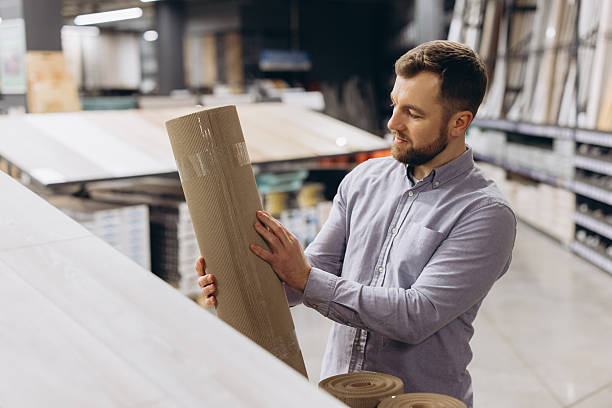
Big-box retailers and specialized flooring liquidators often end up with “broken pallets” or discontinued stains. If you have a small to medium-sized room, you can often snag premium solid hardwood at clearance prices simply because the store doesn’t have enough left for a massive mansion.
Material Comparison: Costs and Durability
To help you decide which type of cheap hardwood flooring fits your lifestyle, refer to the table below.
Budget Flooring Comparison Table
| Wood Category | Price Range (per sq. ft.) | Durability | Best For |
| Utility Grade Oak | $2.00 – $3.50 | High | High-traffic, rustic homes |
| Engineered Bamboo | $2.50 – $4.00 | Very High | Modern, eco-conscious spaces |
| Acacia (Short Planks) | $3.00 – $4.50 | High | Exotic looks on a budget |
| Pine (Softwood) | $1.50 – $3.00 | Moderate | Low-traffic areas, cozy cottages |
| Refurbished/Reclaimed | $0.00 – $5.00 | Varies | DIY enthusiasts and eco-warriors |
How to Source Cheap Hardwood Flooring Like a Pro
The price you see on the sticker at a retail showroom is rarely the lowest price possible. Here are the strategies professionals use to drive costs down.
1. Buy During the “Off-Season”
Flooring demand peaks in the spring and fall (before the holidays). Buying in January or February often results in better deals as retailers try to move inventory during the slow winter months.
2. The “Short Plank” Discount
Standard flooring planks are usually 3 to 7 feet long. However, many manufacturers sell “short-length” boxes (1 to 3 feet). These are significantly cheaper. While they take slightly longer to install, the resulting “staccato” pattern is visually interesting and very popular in European design.
3. Negotiate on Square Footage
If you are buying more than 500 square feet, never pay the retail price. Ask for the “Pro Desk” or the “Contractor Rate.” Most managers have the authority to shave 10-15% off the price for bulk orders.
4. Local Sawmills
If you live in a wooded region, skip the retail store entirely. Local sawmills often sell rough-cut or planed flooring for a fraction of the cost. You may need to do a bit more sanding, but the savings are astronomical.
Identifying Quality: Don’t Get Fooled by “Cheap” Imitations
When hunting for cheap hardwood flooring, you must be able to distinguish between a “good deal” and “bad wood.”
- Veneer Thickness (for Engineered): If the top layer is less than 2mm, you won’t be able to sand it in the future. Look for at least 3mm for longevity.
- Milling Precision: Check the “Tongue and Groove.” If the boards don’t fit together snugly in the store, they will be a nightmare to install, leading to gaps and squeaks.
- Species Hardness: Use the Janka Scale. Red Oak is the industry standard (1290). If a wood is significantly softer (like some species of Pine), it will dent easily under furniture or pet claws.
Preparing for Installation: The Hidden Costs
Finding the wood is only half the battle. To keep your project “cheap,” you must account for the accessories.
- Underlayment: Don’t skimp here. A good moisture barrier is essential, especially over concrete.
- Acclimation: This costs $0 but is the most ignored step. You must let the wood sit in your house for at least 5-7 days before installing it so it can adjust to your home’s humidity.
- Transitions and Baseboards: Budget for these early. Matching wood transitions can be expensive; sometimes choosing a contrasting metal transition can save money and look more modern.
Selecting the Right Species: Performance vs. Price
When searching for cheap hardwood flooring, the wood species you choose will be the biggest factor in your final invoice. Not all woods are created equal, and some “expensive-looking” species are surprisingly affordable due to their abundance.
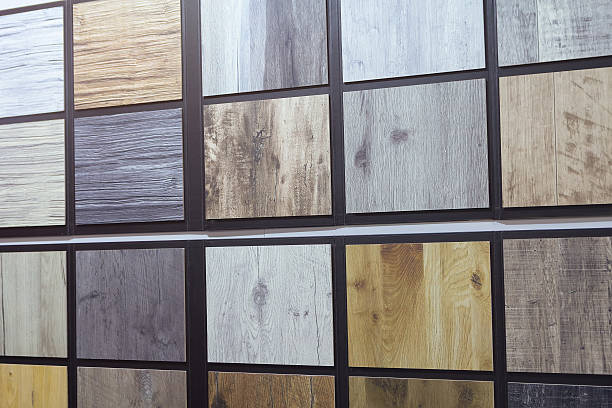
1. The King of Value: Red and White Oak
Oak is the most common hardwood in North America, which keeps the price stable and competitive.
- Red Oak: Features a warm, reddish undertone and a strong grain pattern. Its heavy grain is excellent at hiding scratches from pets or children.
- White Oak: Slightly harder and more water-resistant than Red Oak. It has a more modern, “wheat-colored” tone and is highly sought after for contemporary minimalist designs.
2. The Budget Exotic: Acacia
If you love the look of dark, swirl-patterned tropical woods but don’t want to pay for Mahogany or Teak, Acacia is your best friend. It is incredibly hard (harder than Oak) and often sold in shorter planks, which drives the price down significantly. It offers a luxury, high-contrast look for a “cheap” price point.
3. The Rustic Charm: Hickory
Hickory is one of the hardest woods available. It features dramatic color variations—from creamy whites to deep browns—within a single box. Because it has so much natural “character,” it is often available in lower, more affordable grades where those “imperfections” are celebrated.
Understanding Lumber Grades: Saving 40% Instantly
Most people walk into a flooring store and ask for the “best” wood. In industry terms, that is Select Grade. However, if you understand the grading system, you can find cheap hardwood flooring that is structurally identical but visually different.
Grade Breakdown:
- Clear Grade: Virtually no knots or color variations. This is the most expensive and often looks a bit “plastic” because it is so perfect.
- Select & Better: Very uniform, with only tiny, pin-sized knots.
- #1 Common (Natural Grade): You will see more color variations and light character marks. This is the “sweet spot” for most homeowners wanting value.
- #2 Common (Builder/Cabin/Utility Grade): This contains large knots, wormholes, and significant color shifts.
- Expert Tip: If you are aiming for a “Farmhouse” or “Industrial” look, #2 Common is perfect. You can buy 20% extra to cut out any truly “bad” spots and still save thousands of dollars compared to buying Clear Grade.
Installation Strategies to Keep Costs Low
The wood is the material cost, but labor is where the budget often breaks. To keep your cheap hardwood flooring project truly inexpensive, you have two choices: DIY or “Smart Hiring.”
1. The DIY Route: Nail-Down vs. Glue-Down
If you have a wooden subfloor, a nail-down installation is the most secure. You can rent a floor nailer from a local hardware store for about $40 a day.
- The Cost of DIY: You only pay for the wood, the underlayment, and the tool rental.
- The Risk: Improperly nailed floors can squeak. Ensure you follow a strict “staggering” pattern where end joints are at least 6 inches apart.
2. Floating Engineered Floors
Many engineered hardwood options come with “Click-Lock” technology. These require no glue or nails. They “float” over a foam underlayment. This is the easiest method for a beginner and can save you $3.00 to $5.00 per square foot in professional labor fees.
3. “Smart Hiring”
If you aren’t comfortable doing the work yourself, do the “prep work” for the contractor.
- Remove the old carpet yourself.
- Pull up the baseboards yourself.
- Clear the furniture. Contractors often charge $1.00 to $2.00 per square foot just for “site prep.” Doing this work yourself keeps the professional focus purely on the wood.
Essential Subfloor Preparation
You can buy the most beautiful cheap hardwood flooring, but if your subfloor is a mess, the final result will look cheap too.
- Leveling: Use a long straightedge to find “dips.” Fill them with self-leveling compound. If there is a “hump,” sand it down. Hardwood needs a flat surface to prevent “bounce” and creaking.
- Moisture Testing: This is non-negotiable. If you are installing over concrete, use a calcium chloride test. If the moisture levels are too high, your “cheap” floor will warp and ruin your investment.
- Cleanliness: Sweep and vacuum the subfloor three times. A single pebble trapped under a plank can cause a permanent “crunching” sound every time you walk over it.
The “Over-Ordering” Strategy: Why 15% is the Magic Number
When buying budget or utility grade wood, the “waste factor” is higher.
- For Select Grade, you buy 5% extra.
- For Cheap/Utility Grade, you should buy 15% to 20% extra.
The Logic: Even with the extra 20% of material, the total cost will still be lower than the “perfect” wood. Having that extra material allows you to “cull” (toss aside) any boards that have cracks or knots that you personally find unattractive. You can use the “ugly” boards inside closets or under the refrigerator.
Finishing Your Cheap Hardwood Flooring: Sanding, Staining, and Sealing
If you have opted for unfinished cheap hardwood flooring to save on upfront costs, the magic happens in the finishing stage. This is where you can take “utility” grade planks and make them look like a custom designer installation.
1. The Sanding Process
Sanding is the bridge between raw lumber and a smooth floor.
- The Tools: Rent a drum sander for the main floor and an edge sander for the perimeter.
- The Technique: Start with a coarse grit (like 36 or 40) to level the boards, and progressively move to finer grits (up to 100 or 120).
- Pro Tip: Never stop the sander while the drum is in contact with the wood, or you will create “divots” that are difficult to fix.
2. Custom Staining on a Budget
One of the biggest advantages of unfinished wood is that you aren’t limited to what’s in a showroom. You can create a “high-end” look with strategic stain choices:
- Dark Walnut/Ebony: Deep colors are excellent at hiding the knots and mineral streaks found in cheaper grades of wood.
- Grey Wash: Provides a modern, “weathered” look that fits the coastal or farmhouse aesthetic.
- Natural/Clear: If you bought Hickory or Acacia, a simple clear coat celebrates the wild color variations that make those woods unique.
3. Choosing the Right Topcoat
To protect your investment, you need a durable finish.
- Polyurethane: The industry standard. Water-based poly dries fast and stays clear, while oil-based poly adds a slight amber glow and is generally more durable.
- Hard-Wax Oils: Gaining popularity for DIYers because they are easy to “spot-repair” if a scratch occurs.
Maintenance: Protecting Your Investment for Decades
Finding cheap hardwood flooring is a win, but keeping it looking new is how you truly save money over time. Proper maintenance prevents the need for early refinishing.
- The “No-Shoes” Policy: Dirt and grit act like sandpaper under your feet. Encourage a shoes-off household to preserve the finish.
- Area Rugs: Place rugs in high-traffic zones (hallways and entryways) and under heavy furniture.
- Humidity Control: Wood expands and contracts. Using a humidifier in the winter and a dehumidifier in the summer prevents “gapping” and “cupping.”
- Avoid Steam Mops: Never use steam on real wood. The heat and moisture can force their way into the grain and cause the finish to peel. Use a damp (not wet) microfiber mop and a specialized wood cleaner.
Troubleshooting Common Issues in Budget Wood
Because budget-friendly wood often has more “character,” you might encounter these minor hurdles:
- Loose Knots: If a board has a knot that feels loose, use a bit of wood epoxy to stabilize it before staining.
- Color Mismatches: If one box of wood is significantly lighter than the others, “rack” the floor (lay it out) before nailing. Mix boards from different boxes to create a balanced, intentional look across the entire room.
- Squeaky Planks: Usually caused by a loose subfloor or improper nailing. A “squeak relief” kit or a bit of graphite powder in the groove can often solve the problem without ripping up the floor.
Ecological and Health Benefits of Real Wood
In the world of cheap hardwood flooring, it is important to remember that “cheap” doesn’t mean “synthetic.” Real wood offers benefits that man-made materials simply cannot match:
- Sustainability: Wood is a renewable resource. Many budget-friendly options, like Bamboo (technically a grass) or fast-growing White Oak, are incredibly eco-friendly.
- Allergy Relief: Unlike carpets, hardwood doesn’t harbor dust mites or mold, making it the best choice for families with asthma or allergies.
- Carbon Footprint: Real wood stores carbon for the life of the floor, whereas the production of vinyl and laminate involves significant chemical processing.
Conclusion: Luxury is Within Reach
Achieving a high-end home aesthetic doesn’t require a high-end bank account. By focusing on cheap hardwood flooring options like #1 or #2 common grades, engineered planks, or liquidator overstock, you can enjoy the warmth and prestige of real wood at a fraction of the traditional cost.
Success in this project boils down to three things: diligent sourcing, meticulous subfloor preparation, and proper long-term maintenance. Whether you are a professional blogger documenting your renovation or a homeowner looking to increase your property value, affordable hardwood is a choice you won’t regret.
Start measuring your space, grab your samples, and prepare to transform your home with the timeless beauty of hardwood.
